








What's Slope Xtreme game?
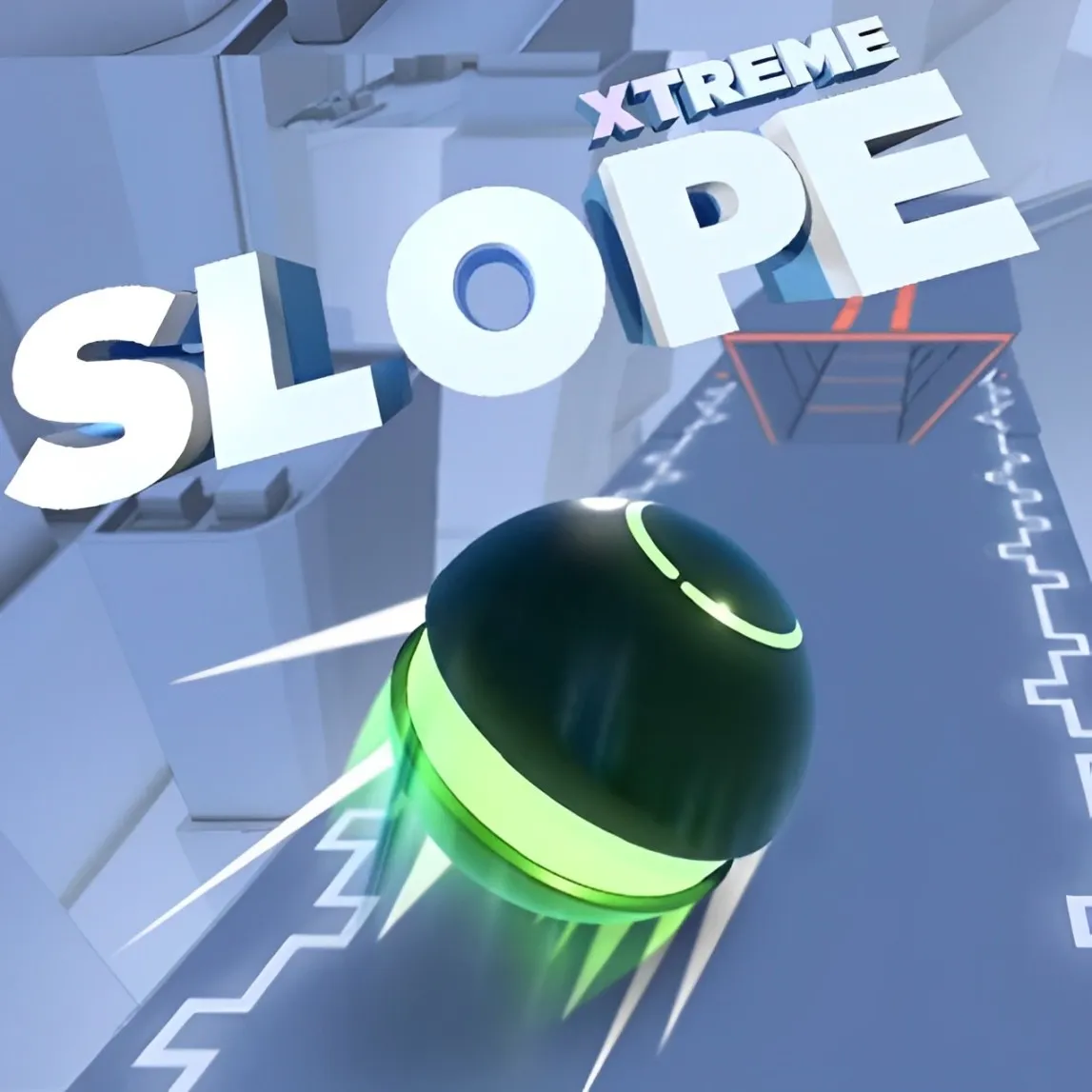
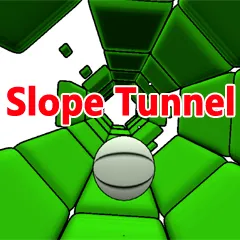
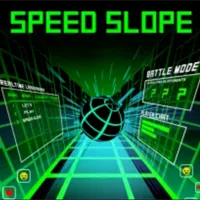
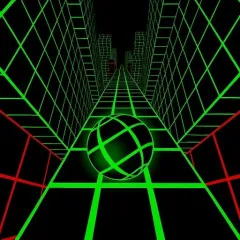
Slope Xtreme is the same addiction loop you know from downhill ball runners, one axis of steering, rising speed, instant failure on red geometry, but it opens with a deliberate spectacle: a power cannon launches your neon ball onto the ribbon before the first corner even arrives. From that beat forward, the course asks for tighter reads: sharper bends, steeper drops, aerial curves, and tunnels where walls punish drift as aggressively as gaps punish greed.
The presentation leans modern rather than minimalist wireframe: brighter lighting passes, glossier track materials, and motion that sells momentum without hiding hazards. Physics is tuned to feel a touch heavier and smoother at once, small inputs still win, but the ball carries speed through transitions in a way that rewards staged lines instead of last-instant hero swerves. Your score still ties to distance and survival time, so every meter is both reward and risk as the corridor tightens.
Failure stays blunt: kiss a red block, scrape a tunnel wall, or fall into the void and the run stops. There is no checkpoint revive in the classic pattern, only restart, exhale, and try a smaller correction next time. Global boards sit beside personal bests so you always have a target beyond your last attempt.
On this page you get the same shell as the rest of this site, header and footer, two-column layout with the green-line atmosphere, and a click-to-load embed so bandwidth waits until you press play. Skim the three-step guide below, read the longer sections for how Xtreme differs from leaner builds, then use the FAQ for controls before you chase a new personal best.
Because the camera keeps the ball large in frame, the illusion is always that you are barely in control, which is the emotional hook. Xtreme leans into that feeling with brighter contrast and faster visual rhythm, so the mental game becomes learning when to trust your eyes and when to ignore the drama and steer like a technician. The cannon launch also resets your mental tempo each attempt, so use that opening second to commit to a centered line before the first real corner arrives.
How to Play Slope Xtreme

1. Press Space to launch, then steer with A/D or arrow keys
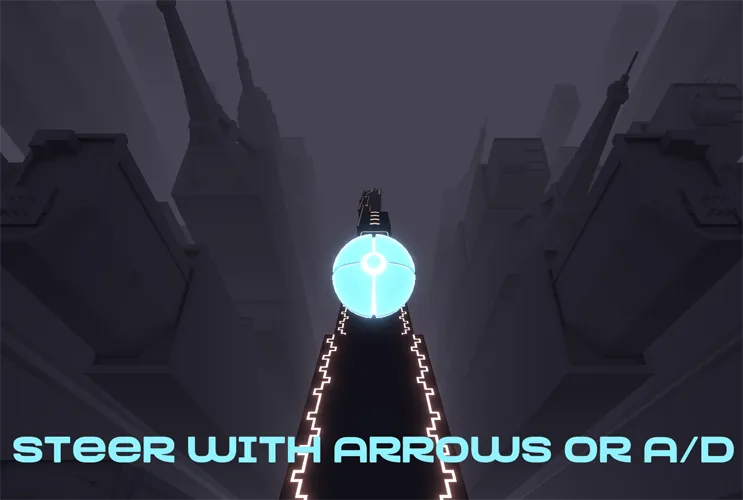
2. Read red hazards, gaps, and tunnels two beats early
Red obstacles and tunnel walls end runs on contact. Look uphill of the ball so you see gaps before they become emergencies. When the path corkscrews or drops, stage a gentle arc instead of a panic carve, Xtreme rewards anticipation more than twitch volume.
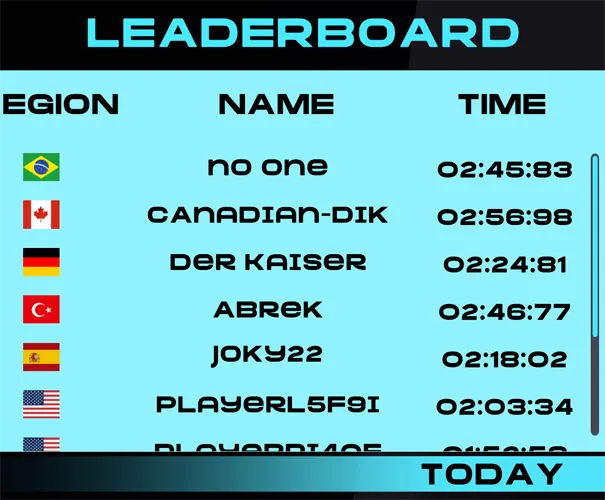
3. Survive the speed curve and chase distance on the boards
Tempo ramps the longer you live, which shrinks the window for each correction. Shorten inputs as speed climbs, rebuild centering after every dodge, and restart quickly so mistakes turn into muscle memory. Compare each run against your personal best and the global list when you are ready for external pressure.
What Xtreme changes without rewriting the fantasy
The contract is still pure downhill survival: steer, read, repeat. What shifts is presentation density and corner vocabulary. Tracks bend harder, gaps appear meaner, and tunnels ask you to manage both wall clearance and forward speed at once. The cannon start is not just flair, it frames every attempt as a deliberate drop into danger instead of a slow ramp-up. That opening beat also sets tempo expectations: you are not easing into difficulty; you are committing to a ribbon that already wants to throw you.
Where older slope-style builds sometimes read like wireframe puzzles, Xtreme reads like a neon expressway carved through empty space. Curves feel tighter because the art stack emphasizes banking and depth cues, and obstacles sit in clusters that punish late recognition. None of that changes the underlying rule set, one mistake still erases the run, but it changes how quickly the course asks you to stack decisions.
Visual polish matters for readability as much as mood. Highlights cue edges, shadows cue depth, and red still reads as "do not touch." When the build pushes faster motion, those cues are what keep failures instructive instead of random. If you die and cannot name the hazard class that killed you, slow your eyes for the next session and treat the first minute as a scouting pass instead of a score chase.
Physics tweaks are subtle on paper and loud in play. The ball carries inertia through transitions, which means micro-corrections compound: a line that looked safe two beats ago can drift you toward a wall if you never rebuilt centering. That is the hidden lesson of Xtreme, survival is less about heroic saves and more about never letting small errors snowball into big ones.
Leaderboards amplify the same loop that made the genre famous: one more try is always justified because the fix for your last death is usually obvious in hindsight. Even when it is not obvious, the restart is fast enough that frustration rarely hardens into quitting, only into another attempt with one variable changed.
Habits that survive sharper curves
- Center early: buy margin before the corridor kinks.
- Look past the ball: the hazard you need next lives uphill on the ribbon.
- Shrink steering as tempo spikes: big swings scale terribly with speed.
- Treat tunnels as contracts: enter with a line you can finish without scraping.
- Retry fast: short cycles keep hands warm and reads honest.
None of these habits are glamorous, which is why they work on brutally tight tracks. The hardest skill is not reaction time, it is restraint. When the music of motion in your head says "save it with a huge steer," the track usually wants the opposite: a half correction, a breath, and a rebuild toward the middle.
Practice sessions improve fastest when you pick one failure mode per block of attempts. If you keep dying to gaps, spend ten runs forcing yourself to scan earlier and steer smaller. If tunnels eat you, slow your entry lines even when it feels slow, surviving a tunnel ugly beats dying in it stylishly. If red blocks end you, treat every red silhouette as a deadline: decide your lane before you arrive, not as you pass it.
Mobile players mirror the same logic with tap zones: wide thumbs still need the same center bias and the same early eyes. If a layout feels unfair on a small screen, rotate the device, reduce glare, and favor shorter sessions with more restarts over long grinds that blur attention.
Where Slope Xtreme fits on this site
If you want the leanest template, start with classic Slope, fewer visual layers, pure lane discipline. The flagship Slope 2 on the homepage remains the default anchor for many visitors. Xtreme sits beside those as a louder, sharper remix: cannon start, denser corners, and a glossier 3D pass.
For another take on depth-heavy presentation, try Slope 3D. Rotating between titles keeps your eyes fresh while preserving habits: read ahead, steer in bursts, and rebuild centering after every dodge.
This page uses the same click-to-load pattern as other games here. When you are ready, press play and treat the first thirty seconds as calibration for tempo and lighting.
Scoring, boards, and how to practice without burning out
Your score still rewards the simplest honest metric: how far you roll before the run ends. That keeps the mental stack small, there is no crafting tree, no loadout screen, no narrative gate. The trade-off is brutal clarity: every death is your fault in the mechanical sense, which is why the restart button feels like mercy.
Personal bests are the quiet leaderboard everyone carries. Global lists add heat: they remind you that other humans are threading the same hazards, which turns a solitary reflex game into a quiet competition. You do not have to chase a world rank to benefit from the presence of a bar, sometimes the bar is simply the next integer above your last score.
Healthy practice looks like sets, not marathons. Ten focused attempts with one adjustment beat fifty angry retries that blur together. Write down your best distance after each set if you want accountability; the number does not lie the way memory does. When improvement stalls, change inputs, mouse versus keyboard, arrows versus WASD, or change posture. Small environmental fixes often unlock the same reads your brain already understands.
Finally, remember why these games spread in classrooms and offices: they respect your time in slices. You can play one attempt between tasks, or you can binge an hour of attempts that all teach the same lesson. Xtreme is loud enough to feel like an event and honest enough to punish lazy steering, which is exactly the balance that keeps the genre alive.