




On PC, use the left and right arrow keys, or A and D. On a phone, most versions let you tap on the left or right side of the screen to move that way. There is no jump. If you yank the controls when you are already moving fast, you will usually overshoot, so try small nudges first.
What's slope2 game?
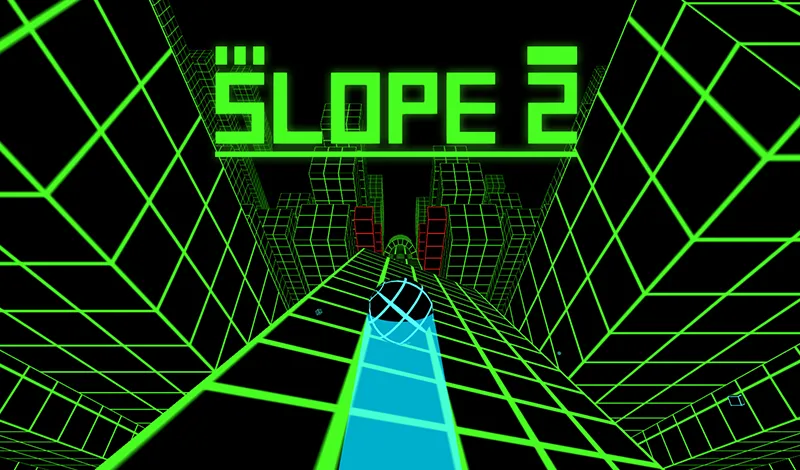
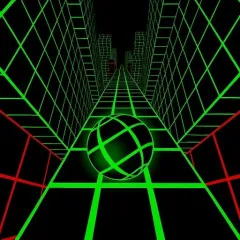
Slope 2 is a straight up endless runner: you are rolling downhill on a narrow track, steering left and right, and trying not to smack a red block or fall off. Speed picks up, the lane throws curves and gaps at you, and there is no jump button to save you, just better timing on your strafes. It is the kind of game you lose in two seconds, restart, and tell yourself you will be smoother next time.
This is the dedicated page for the game in our /slope-games/ list. Hit play below to load the hosted build. If you would rather use the main site layout with the big player up top and the rest of the long form content, the home page is there for that. Same game, just a different page layout.
How to Play slope2
1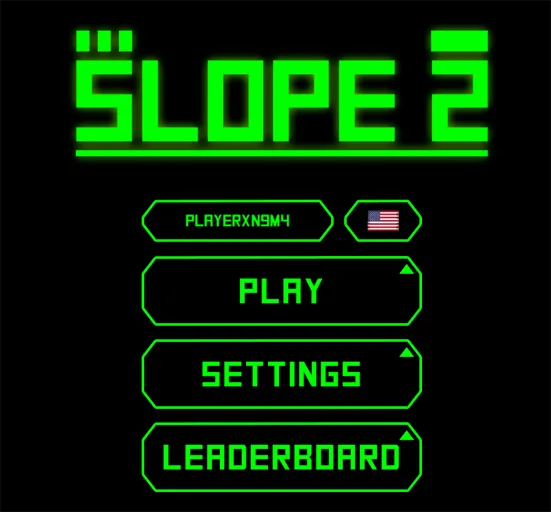
1. Move with keys or by tapping the sides (mobile)
2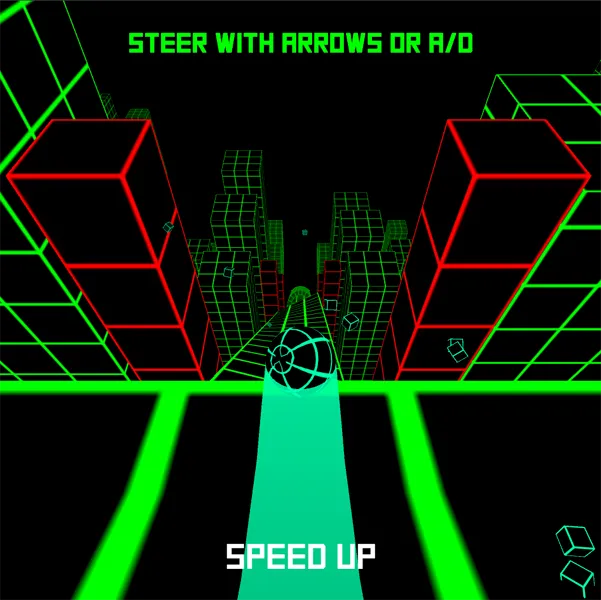
2. Look a little ahead of the ball
The ball is already at the front of the screen, but the part that will wreck you is usually a few feet ahead. Peek at the next turn, the next red chunk, or the next hole before you are on it. If the path gets skinny, nudge back toward the middle so you have room to adjust. Dying to something you did not look at is part of the learning curve, but after a while you start to read the track instead of only reacting to it.
3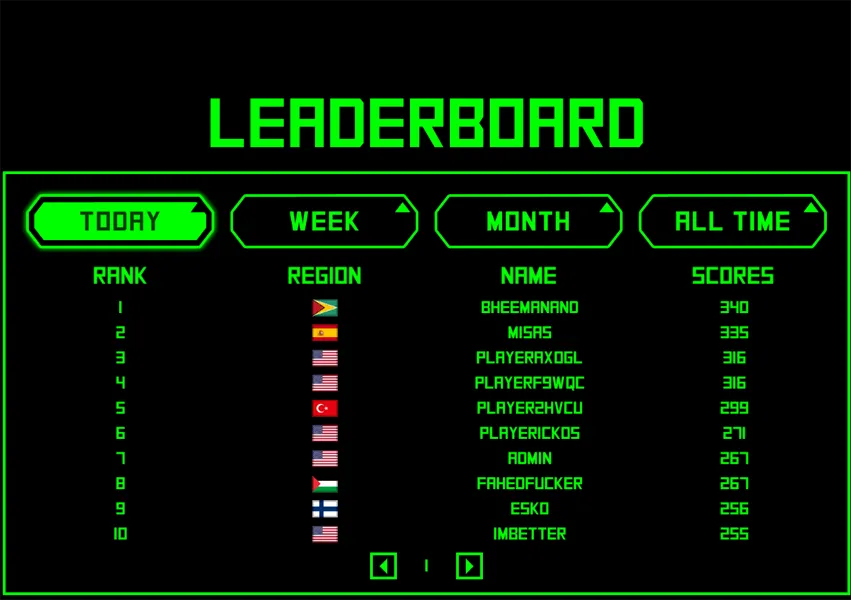
3. Get back in fast and change one thing
You will restart a lot, and that is by design. After a death, it helps to say what happened in one plain sentence, like I hugged the edge, or I turned too late, then go again with that in mind. If the build has gems or score on the side, it is still worth surviving first, then going for pickups when the line is not ridiculous.
What you are actually doing in Slope 2
One line goal: keep the ball on the good part of the track and not on the red stuff or in the void. The hard part is that the track is not a calm ride forever. It bends, it breaks, and sometimes a piece of floor moves. You are always trading between staying centered and making the cut you need for the next bit of layout, and that is where the game gets you hooked.
It is not really a memorization game because the sections keep shuffling. You are building feel, not a map of every pixel. The better runs look boring from the outside, a lot of tiny corrections, not a lot of drama, until the speed is high and then the drama makes itself known anyway.
Typical things that will end a run
Tight turns at high speed, holes you did not start steering for in time, and red blocks placed where a greedy line was a bad bet. If the floor can move, treat it like a fresh problem each time. After a few runs you start to notice your own bad habits, like only steering when you are already in trouble, and that is the stuff to fix on the next attempt.
Red is basically no contact. The game is not trying to be mysterious about that. The sooner you take it seriously, the less you waste runs on maybes that were never going to work.
How Slope 2 lines up with the other games here
Same family as the older classic Slope style page, with Slope 2 often feeling a bit busier in the track, more going on in the same steering idea. If you have played that for a long time, you already know the muscle memory. Slope 2 is usually more to chew on, not a brand new control scheme. If you want a sequel that dials the chaos up again, Slope 3 is the next one we list, same site, new flavor.
Why people keep queuing up another run
Restarts are quick. You are not waiting through menus. You touch the wall, you are back, and the game already has your attention again. The look is also easy to read in motion, which matters when the ball is really moving, because at that point you are not going to have time to decode a busy HUD.
It is not for everyone, if you hate one mistake and you are out, you will feel it, but a lot of us like that when the run itself is only a couple of minutes to break off.
Stuff that actually helps in longer runs
When you can, run down the middle so both sides of the path are still in play. When the game speeds up, cut back on how far you move each time. If the tab or the browser is choppy, clean that up first, because missed frames in a game about timing will feel like you got robbed even when you did not.
And keep sessions short. Ten focused runs where you are trying to fix one habit beat an hour of autopiloting the same mistake.
FAQs about slope2
Yes, it is free in the browser on this page. We are not asking you to install a client. Hit play, wait for the embed, and you are in. It may still stutter on an old device or a weak connection, that part is on the hardware, not a paywall.
Arrows or A and D on a keyboard, same as most people expect. On a phone, left side and right side of the play area is the usual pattern. There is not a separate jump, so everything is in those left and right inputs.
Fall off, hit a red block, and you are usually out and back to the start. The host build can tweak feedback a bit, but the rule of thumb is no mid run saves. It is a single piece arcade style run.
Stay calmer in the center when you can, make smaller turns when you are going fast, look earlier down the path, and after a death pick one thing to do differently next time instead of mashing restart with no plan.