






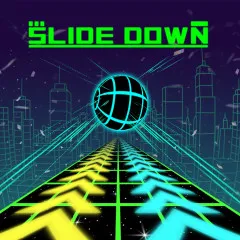
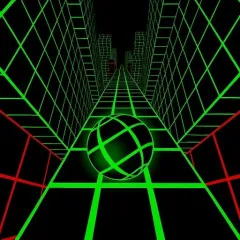
What's Xlope 2 game?
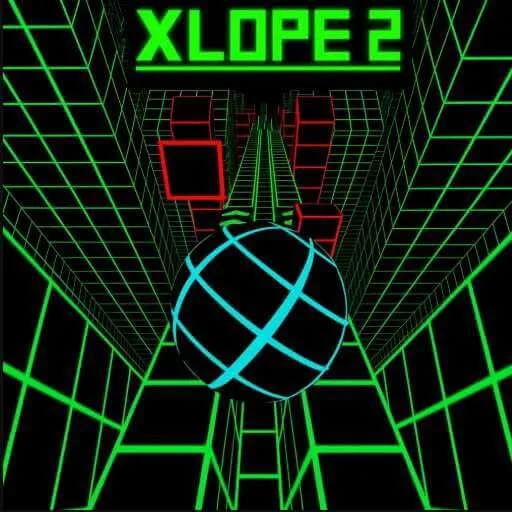
Xlope 2 is a strict sequel in spirit: the same glowing ball, the same endless ribbon, and the same merciless rule that one bad line ends the run. What changes is appetite. Speed climbs faster, corners bite harder, and the procedural track throws acute angles, shifting platforms, and red barriers at you in combinations that refuse to let autopilot survive. Your objective is not a story beat, it is survival measured in seconds and distance, translated into a score that only moves when you keep the ball on the geometry and away from anything painted like danger.
The presentation sells clarity inside chaos. Neon edges read as safe ribbon, shadows sell depth, and red signals instant death. A lightweight physics pass makes momentum feel believable: the ball carries speed through transitions, so micro-steers compound the way they do on a real downhill, small errors snowball, and small corrections buy whole extra segments. That honesty is why deaths feel earned instead of random, and why restarting feels natural instead of punishing.
Because layouts are generated rather than memorized, every drop is a fresh negotiation with hazard density. You cannot grind a single perfect route; you grind habits, centering before kinks, widening your scan uphill of the ball, shrinking inputs as tempo spikes. Moving platforms in particular punish late recognition: they are not puzzles to solve once; they are timing gates that demand you commit a line before you arrive.
The difficulty curve is deliberately front-loaded in tension. Early seconds still matter, but the real test is whether your steering stays smooth when the game insists you are moving faster than your comfort zone. Xlope 2 keeps the control philosophy minimal: no inventories or crafting buffs, just left-right steering and the discipline to keep corrections small when speed tempts you to overcorrect.
On this page you get the same shell as the rest of the site, header and footer, two-column layout with the green-line atmosphere, and a click-to-load embed so the player waits until you press play. Skim the three-step guide, read the longer sections on random hazards and habits, then use the FAQ for controls before you chase a new personal best.
How to Play Xlope 2
1. Steer with the arrow keys and keep inputs minimal
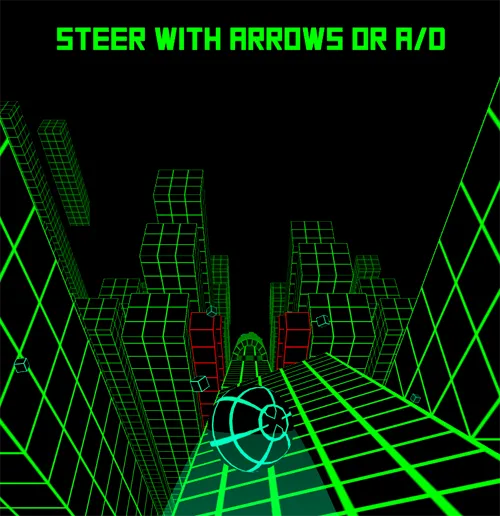
2. Treat every random segment as a new contract
Layouts reshuffle, so pattern memory only gets you so far. Read acute corners early, respect shifting platforms as moving deadlines rather than static walls, and treat red barriers as binary: touch them and the attempt stops. Look slightly uphill of the ball so gaps and kinks become plans instead of surprises.
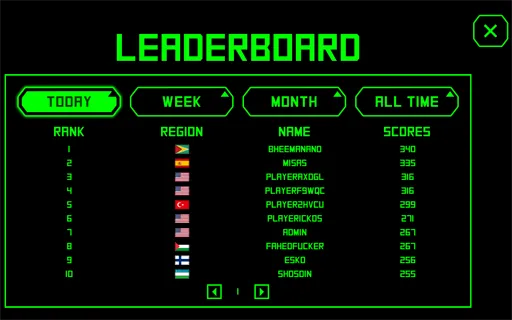
3. Survive the velocity curve and restart without drama
As speed ramps, shrink your steering bursts and rebuild centering after every dodge. When you fall or crash, restart immediately, short cycles keep hands warm and keep each failure attached to one fixable mistake. Chasing a high score is really chasing calmer hands at higher tempo.
What Xlope 2 asks that the first glance hides
From the outside, endless runners look like one-button toys. Inside a demanding build like Xlope 2, they are rhythm games disguised as racers: you are always trading margin for position, and the track keeps changing the exchange rate. The sequel curve is not just "more red blocks", it is tighter timing windows, sharper direction changes, and speed that arrives before your brain wants to admit you are responsible for it.
Random generation is the ethical backbone of the design. You cannot brute-force memorization; you have to build transferable reads. That is frustrating for players who want a static level to grind, and addictive for players who like self-improvement loops with immediate feedback. Each crash answers a simple question: did you misread geometry, mis-time a platform, or let speed convince you to steer like you still had margin?
Instant restarts matter more than they sound. Downtime is where frustration ferments into quitting. When the next attempt begins almost immediately, your hands stay in the same posture and your mind keeps the last lesson hot. That is how a five-minute session turns into fifty attempts without feeling like a marathon.
How glowing geometry supports skill, not spectacle only
Neon stylization is not only aesthetic, it is UI. Bright edges tell you where you may roll; red tells you where you may not; contrast tells you how far away the next kink sits. When the camera pushes tight and speed spikes, those cues are the difference between threading a corner and donating another run to the void.
Physics polish serves the same master. If movement feels floaty, players blame the game when they die. If movement feels weighted, players blame their line, and that blame is productive because it suggests a fix. Xlope 2 leans toward the second camp: momentum is a teacher that punishes greedy arcs and rewards staged lines.
None of that makes the game "easy." It makes it legible. Legibility is what keeps hard games fair, and fair hard games are the ones people recommend.
Practical habits for longer survival
- Center bias: hug the safe middle whenever the lane allows; edges are debt you pay later.
- Two-hazard lookahead: plan the corner after the corner, not only the threat in your lap.
- Shrink steers as tempo climbs: sawtooth zigzags scale terribly with speed.
- Commit to platforms early: shifting pieces reward decisive lines, not last-instant hops.
- Session hygiene: if frames stutter, fix the environment before you fix your ego, close heavy tabs and reduce glare on glossy screens.
When improvement stalls, practice in sets of ten attempts with one focus, centering only, platform entries only, or panic steering only, and compare your best distance at the end. Tiny experiments beat brute-force retries.
Where Xlope 2 sits on this site
If you want the original downhill vocabulary with fewer sequel teeth, visit classic Slope. The flagship Slope 2 on the homepage remains the default anchor for many players. Xlope 2 sits in the same family as a stylized, high-contrast remix with a sharper difficulty ramp.
For the next numbered spin in the same naming line, try Xlope 3. Rotating between titles keeps novelty high while preserving the same core habits: read early, steer small, rebuild margin after every dodge.