
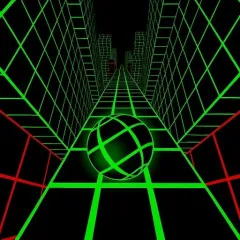
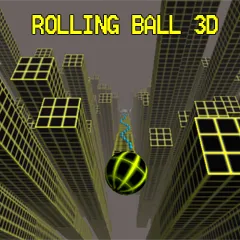
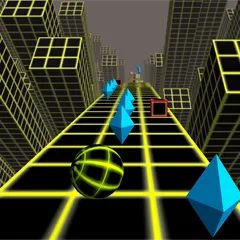





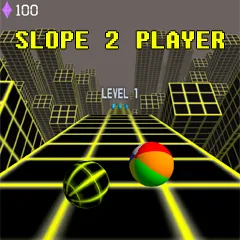

Use the Left Arrow or A key to steer left, Right Arrow or D to steer right. In the first few seconds of a run the speed is manageable, and that is the window to learn how much a single tap moves the ball at low velocity versus higher velocity. The ball does not snap instantly to a new direction, it carries a small amount of momentum, so brief inputs are always more controllable than held ones. Use the early level to build that feel before the obstacles get serious.
What's Rolling Ball 3D game?
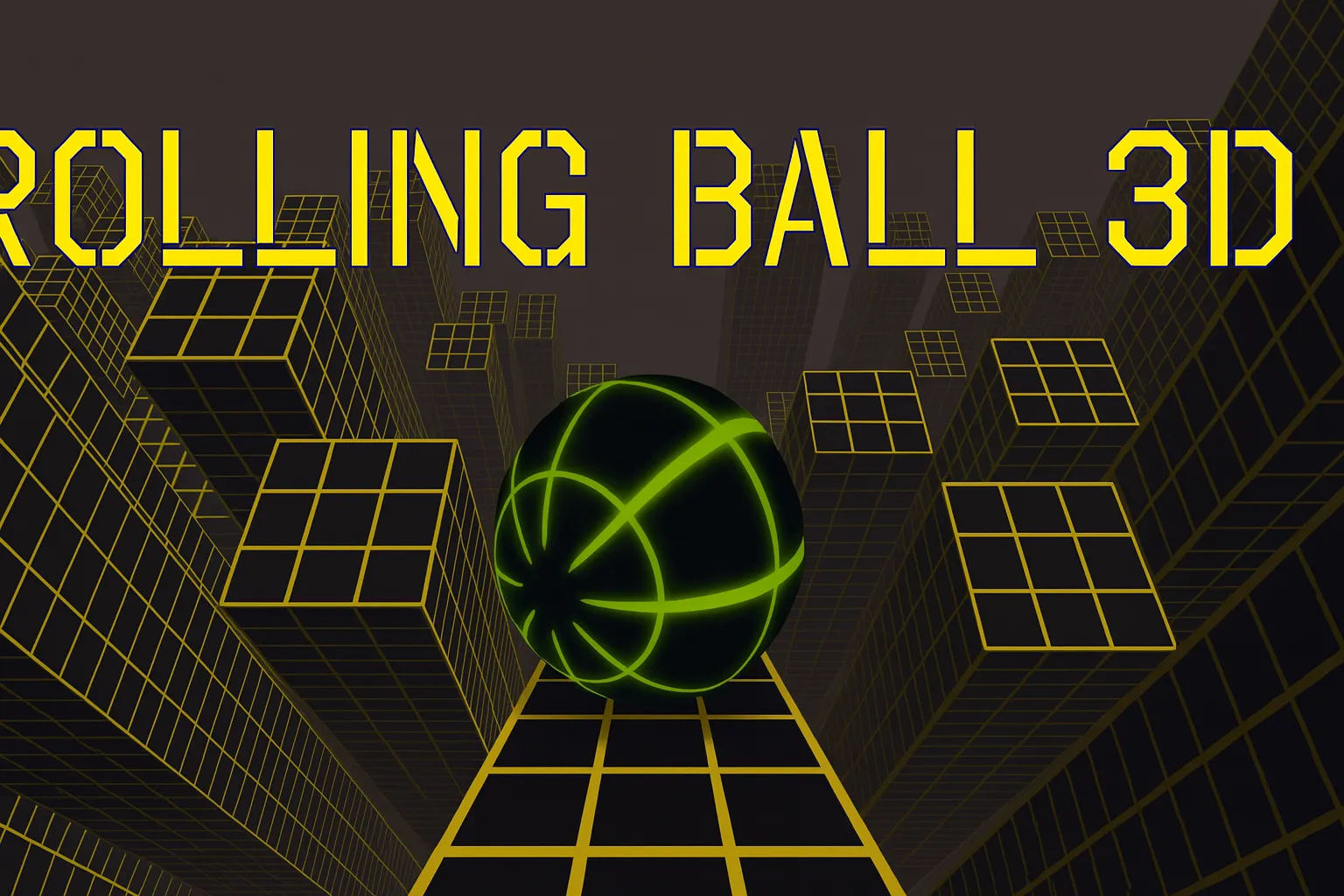
Rolling Ball 3D is an endless runner built around a simple idea: keep a ball alive on a series of tilting, narrowing platforms for as long as possible. The ball moves forward automatically, and your only job is steering it left or right. What starts as a manageable downhill roll turns into a fast, demanding test of timing and positioning as the levels climb and the obstacles grow more aggressive.
The game draws clear inspiration from the slope runner genre but adds its own layer through a diamond collection system. Diamonds appear along the track during every run, and gathering them funds purchases in the in-game store, new balls with different sizes and speeds, and power-ups that change how individual runs play out. That secondary objective gives each attempt a purpose beyond surviving, and it pulls you back even on runs that end quickly.
There are no lives and no checkpoints. A collision with an obstacle or a fall off the platform ends the run immediately. Restarts are instant, and the loop is designed to keep you going for one more attempt rather than feeling like a punishment.
How the difficulty builds
Rolling Ball 3D uses a level structure layered over its endless format. The longer you survive, the higher the level climbs, and higher levels bring more obstacles, more movement in those obstacles, and tighter platform geometry. Early levels are forgiving enough to learn how the ball handles on slopes and how speed accumulates on downhill sections. Once the level counter climbs past the opening stages, the obstacles shift and reposition in ways that demand reading several moves ahead rather than reacting to what is immediately in front of you.
Ramps and boosters add another variable. Rolling over a booster increases speed sharply, which is useful for covering ground but dangerous if a tight section follows immediately. Rolling over a ramp launches the ball into the air, requiring a controlled landing. Both of these mechanics appear more frequently at higher levels, and learning to use them as tools rather than hazards is what pushes scores into serious territory.
Diamonds and the store
Every run is also a collection run. Diamonds scatter across the platforms, and picking them up without drifting into an obstacle or off an edge is a skill in itself. The store lets you spend accumulated diamonds on new balls that vary in size and base speed, which subtly changes how the physics feel, and on power-ups that give individual runs a temporary edge. Neither purchase is necessary to progress, but both give repeat players goals to work toward that sit alongside the standard score chase.
What makes a good run
The same principles that apply across slope-style games hold here. Holding a direction key at speed causes the ball to overshoot; brief taps and small corrections are more reliable. Staying near the center of the platform gives you room to react in either direction. Watching ahead of the ball rather than directly at it gives you the time to identify the safe path before you need to be on it. And on ramps, landing position matters more than speed, a clean landing in the center of the next platform is worth more than a fast landing on the edge.
How to Play Rolling Ball 3D
1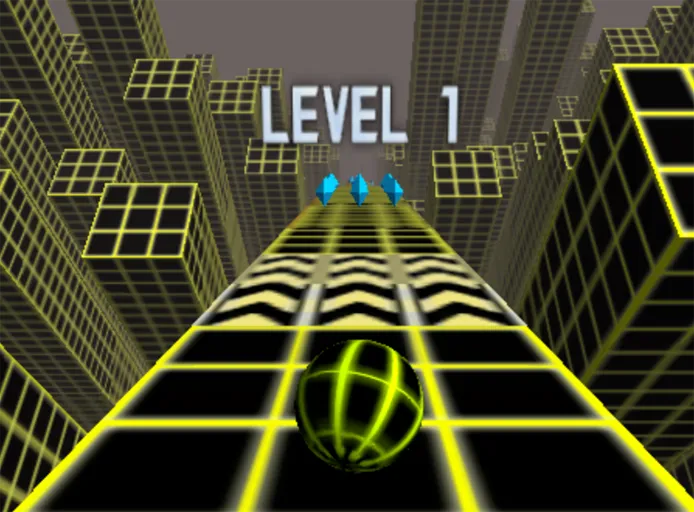
1. Get a feel for the steering before pushing speed
2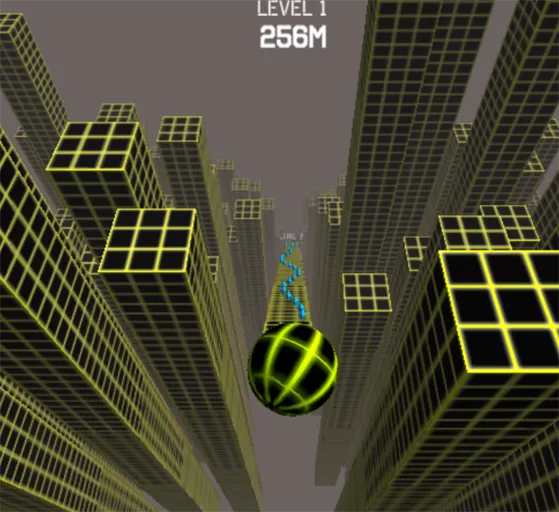
2. Read the platform ahead and position early
The camera follows behind the ball, which means you can see two to three platform sections ahead at most speeds. Use that view. Identify where the obstacles are, find the open lane, and steer toward it before the ball arrives. Reacting at the last moment works at low levels but breaks down once the obstacles start moving and the platforms narrow. Early positioning, getting the ball into the right lane with time to spare, is the habit that separates short runs from long ones.
3
3. Collect diamonds without breaking your line
Diamonds sit on the platform surface and are worth collecting, but not at the cost of a lane change that puts you near an obstacle or an edge. The rule is straightforward: pick up diamonds when they are in your current path or require only a minor adjustment to reach. Skip them when grabbing them means a risky detour. Over time, consistent safe collection adds up faster than aggressive chasing that ends runs early. Power-ups follow the same logic, take them when the path ahead is clear enough to handle the speed boost or air time safely.
FAQs about Rolling Ball 3D
Yes. The game runs directly in your browser with no download, no account, and no install required.
Use the left and right arrow keys or A and D to steer. The ball moves forward automatically and picks up speed as you progress.
Diamonds collected during runs are spent in the in-game store on new balls with different sizes and speeds, and on power-ups that give temporary advantages during runs.
No. Hitting an obstacle or falling off the platform ends the run immediately and resets you to the start. Restarts are instant.
Yes. Rolling Ball 3D uses a level system that increases obstacle count and movement the longer you survive. Higher levels introduce moving obstacles and tighter platform layouts.
Power-ups appear on the track and can also be purchased in the store. They provide temporary effects during a run, such as speed changes or other advantages. Ramps and boosters also appear on the track as environmental mechanics.